
 Tiếng Việt
 English
 中文
中文 한국어
한국어 日本語
日本語 ไทย
ไทย Bahasa Melayu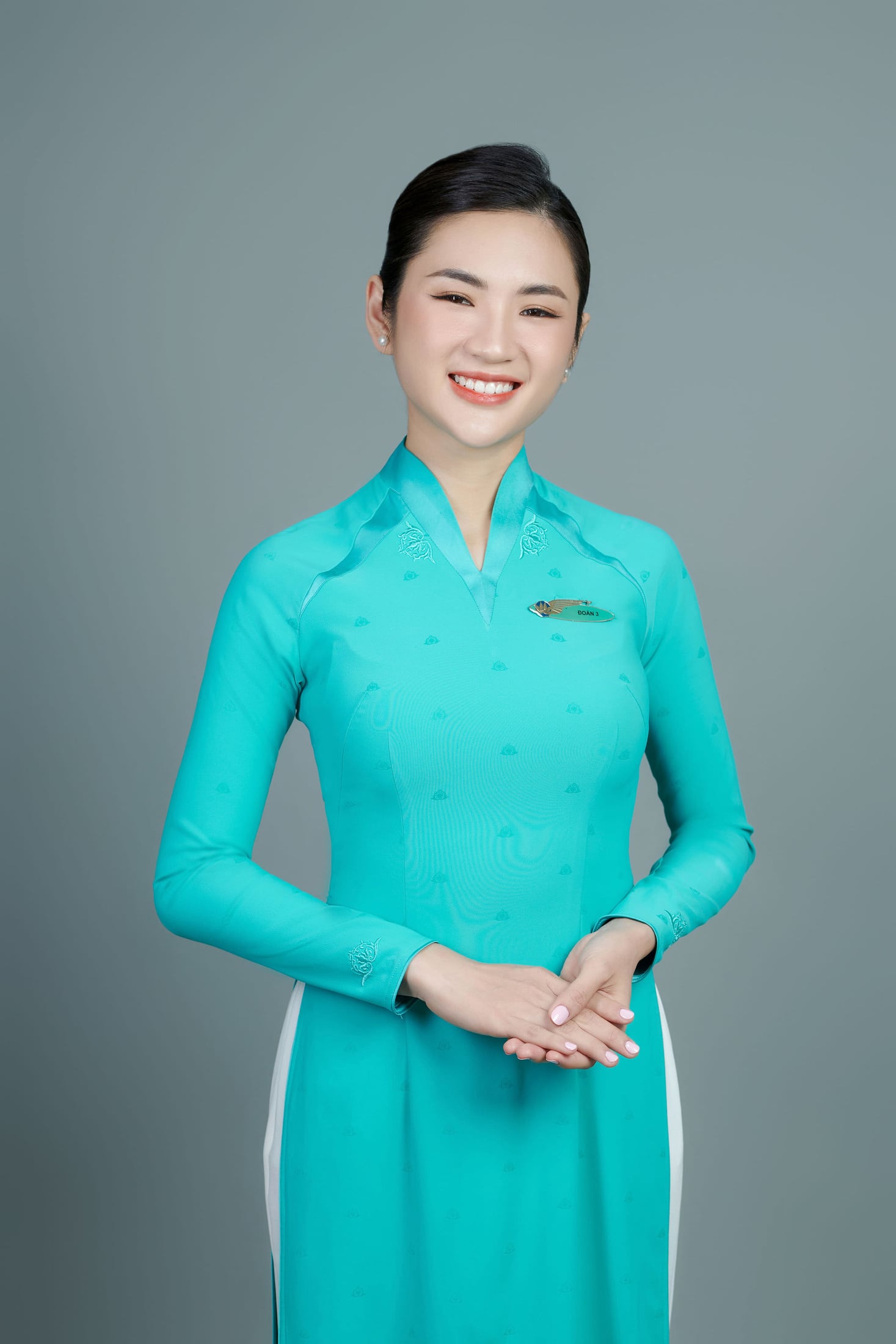
Airline recruitment photos
Flight Attendant Application Photos: Airline-Specific Standards
For many young people, wearing a cabin crew uniform and walking through airport gates is a dream. But before you reach the interview round, your application must pass a quiet and demanding stage: image screening. Airlines receive thousands of applications in each recruitment round, and sometimes one careless photo, wrong composition, or weak service presence is enough to remove you before you ever meet the panel.
That is why flight attendant application photos are different from ordinary profile photos. They require a balance of bright service energy, body proportion shown clearly through a full-body image, and exact sizing according to each airline’s own instructions. In this guide, Gạo Nâu walks you through the whole process, from differences between VNA, Bamboo, Vietjet, Emirates, and Qatar to outfit, hair, makeup, and posing, so your photo set makes a strong first impression.
What a cabin crew application photo set includes
Unlike an administrative ID photo, which may only require one small portrait, a flight attendant application usually requires a photo set, not a single image. The standard set often has two complementary photo types, each supporting a different evaluation point.
Portrait photo (half-body) is used to evaluate the face, smile, skin, and communication presence, all essential for service work in the air. This photo is often framed from the chest or waist upward, on a clean bright background, with a fresh expression.
Full-body photo is used to evaluate body proportion, posture, standing shape, and presentation. This is what makes airline photos completely different from CCCD or CV photos. You stand straight, usually photographed from head to toe, so recruiters can see balance and how you might present in uniform.
Some airlines may request side-angle photos, close-up no-makeup photos, or specific rules about makeup level. Because requirements change by recruitment round, read the notice carefully and confirm with the receiving team before taking photos.
Flight attendant application photos by airline
This is the most important section and also where many applicants make mistakes. Each airline has its own visual taste and technical rules. The notes below are common patterns Gạo Nâu has seen, but remember: these are only general references. Exact numbers and rules must always follow the recruitment notice for the round you are applying to.
Airline | Commonly required photos | Image style | Notes |
|---|---|---|---|
Vietnam Airlines (VNA) | Portrait + full-body | Elegant, formal, calm presence | Professional business attire, plain background; confirm size from the notice |
Bamboo Airways | Portrait + full-body | Youthful, modern, energetic | Fresh makeup, bright smile, clean background |
Vietjet | Portrait + full-body | Young, energetic, approachable | Cheerful service energy, body proportion clearly shown |
Emirates / Qatar | Portrait + full-body, sometimes no-makeup face photo | International, professional, airline-standard makeup | Often strict international standards; read the English instructions carefully |
The common point across airlines is neatness, cleanliness, and service presence. The difference lies in nuance: national carriers tend to prefer elegant composure, while private and international airlines often like a more energetic, bright impression. A photo set that matches the airline’s style helps recruiters feel that you understand and fit the brand culture.
Difference between Vietjet and Vietnam Airlines photos
Because these are the two airlines people ask about most often, let’s be clearer. Vietnam Airlines presents itself as a national carrier with a traditional and elegant image, so the photo should express calm professionalism and reliability. Vietjet is younger and more energetic, so a bright smile and lively presence can be an advantage.
Technically, the two airlines may differ in file size, framing ratio, and sometimes outfit requirements. This is why you should not use one “multi-purpose” photo set for every airline. A studio familiar with airline applications can crop the files correctly for each submission.
Outfit for flight attendant application photos
The outfit should express a professional service image, look neat, and flatter body proportion. This is not the time to experiment with personal fashion.
For women: The classic safe choice is a white shirt or formal blouse with a knee-length pencil skirt in a neutral tone such as black, navy, or gray. This combination flatters the waist and legs and matches the spirit of cabin crew uniforms. Pair it with closed-toe heels in a basic color to create a tall, graceful standing posture. Avoid skirts that are too short, off-shoulder tops, busy patterns, or large accessories.
For men: Choose a white or light-blue shirt, dark dress trousers, a tie, and optionally a suit jacket. Polished leather dress shoes are important. The overall look should be pressed, fitted, and not wrinkled. Cleanliness and composure are key.
If the recruitment notice has specific outfit instructions, such as minimalist clothing or fitted clothing to show body shape, follow the airline’s rule before applying these general principles.
Hair and makeup for flight attendant photos
This step creates about 50% of the “cabin crew look” that many home-taken photos cannot achieve. Airline photo makeup may be brighter and fresher than administrative ID photo makeup because you are applying for a service role where image and smile are part of the brand.
Cabin crew hairstyle
For women, the most recognizable style is a neat bun, either a donut bun or low bun, with the top and sides smoothed down to reveal the face, ears, and nape. This hairstyle looks tidy and professional, like a flight attendant serving on board. Do not leave hair loose over the face or bangs covering the eyes.
For men, hair should be short and neat, with the nape and sideburns cleaned up, styled into place, and the forehead visible. Facial hair should be shaved clean.
Fresh but elegant makeup
The base should be smooth, even, and oil-controlled because studio lights are bright. Blush and lip color should be clearer than everyday makeup; coral red, true red, or peach-pink tones can brighten the face. Brows should be defined, and the eyes can have gentle depth without looking flashy. The goal is a bright, friendly, approachable face that matches airline service. This process is close to a professional CV photo session, but with more brightness and airline-specific polish.
Posture and presence: portrait and full-body
Posture is what makes full-body cabin crew photos much harder than regular portraits, and it is where an experienced photographer matters.
For portrait photos: keep the back straight, shoulders open and balanced, and chin slightly lowered. Look into the lens and smile enough to show a friendly confidence, different from the serious expression of a CCCD photo.
For full-body photos: stand tall with balanced weight. Feet can be close together or gently crossed for a more graceful line. Hands may rest naturally at the sides or lightly in front. Keep shoulders relaxed, the abdomen lightly engaged, and the expression confident. An experienced photographer will choose an angle that lengthens the legs and balances proportions while keeping the pose natural rather than stiff.
This is why you should choose a studio experienced in airline photos. It is difficult to capture correct full-body posture, even lighting, and the required framing at home.
Why choose Gạo Nâu
Ảnh Thẻ Gạo Nâu is positioned as a premium service, not a low-price race. The focus is to help your application photo set look good, meet requirements, and score better visually. With the all-in flight attendant photo package from 1.100.000đ, you receive a process built specifically for cabin crew candidates:
- Portrait and full-body photos included: the studio has the space and background setup for both upper-body portraits and full standing photos, matching the structure most airlines require.
- Airline-style posing and makeup support: the photographer guides standing and seated posture, chin angle, and gaze, while makeup is coordinated to feel fresh and service-ready.
- 2 photo versions for each order: each order includes one RAW-style compliant submission version and one more polished version for CV or social use.
- Files cropped to each airline’s requirement: the studio exports sizes and ratios according to each airline’s recruitment notice, including online submission files.
- Retouching that preserves real features: skin looks smoother and brighter, but the face shape, eyes, nose, and mouth are never reshaped, so you still match your real interview appearance.
Compared with handling separate photos by yourself, one complete session gives you a consistent set in lighting, style, and technical standard from the beginning. If you also need standard ID-sized photos for supporting documents, you can use the 550k ID photo service in the same visit.
The journey toward becoming a flight attendant starts with a strong application photo set. Do not let the image stage, something you can prepare carefully, become a barrier to your dream of flying.
Ảnh Thẻ Gạo Nâu is open 08:00 – 20:00 daily. Book through Zalo Ảnh Thẻ Gạo Nâu, call Hotline (+84) 775 243 530, or contact the studio for advice based on the airline you are applying to. You can also visit one of three branches:
- Hanoi: Tầng 4, 83 Nguyễn Khang, Phường Yên Hòa, Hà Nội.
- Ho Chi Minh City District 10: 436A/71 Đường 3/2, Phường Hòa Hưng, TP. Hồ Chí Minh.
- Ho Chi Minh City District 3: 351/45 Lê Văn Sỹ, Phường Nhiêu Lộc, TP. Hồ Chí Minh.
Frequently asked questions
What do flight attendant application photos require?
They usually require both portrait and full-body photos, a clean bright background, professional business attire, and a clearly visible face. Hair should be neat and not cover the ears or forehead when required, makeup should look fresh but natural, and retouching must not change identity features. Confirm exact size and file rules from the latest recruitment notice.
Do I need a full-body photo for cabin crew applications?
Yes. A full-body photo is usually required so the airline can see body proportion, posture, and presentation. The photo should have a bright background, neat business attire, appropriate shoes, and no body-shaping edits. Check the latest recruitment notice for pose, quantity, and file format details.
What hair and makeup should I use for flight attendant photos?
Makeup should look fresh and service-friendly: even skin, clear lip color, bright eyes, and not so heavy that it changes your real appearance. Women are often expected to tie or bun hair neatly to reveal the face, ears, and forehead; men should keep hair short and tidy. Some airlines have specific hair or no-makeup photo rules, so confirm before shooting.
Where can I take flight attendant application photos?
Choose a studio familiar with airline applications, with standard backgrounds, portrait and full-body posing support, makeup coordination, and airline-specific file cropping. Ảnh Thẻ Gạo Nâu offers this at 3 branches in Hanoi and Ho Chi Minh City with packages from 1.100.000đ (VND).
How are Vietjet and Vietnam Airlines application photos different?
Vietjet photos can show a younger, energetic, friendly smile, while Vietnam Airlines photos should lean more polished, formal, and composed. Both need clear portrait and full-body photos, a clean background, professional attire, neat hair, and restrained editing. Confirm size, framing, and outfit rules from the latest airline notice.