
 Tiếng Việt
 English
 中文
中文 한국어
한국어 日本語
日本語 ไทย
ไทย Bahasa Melayu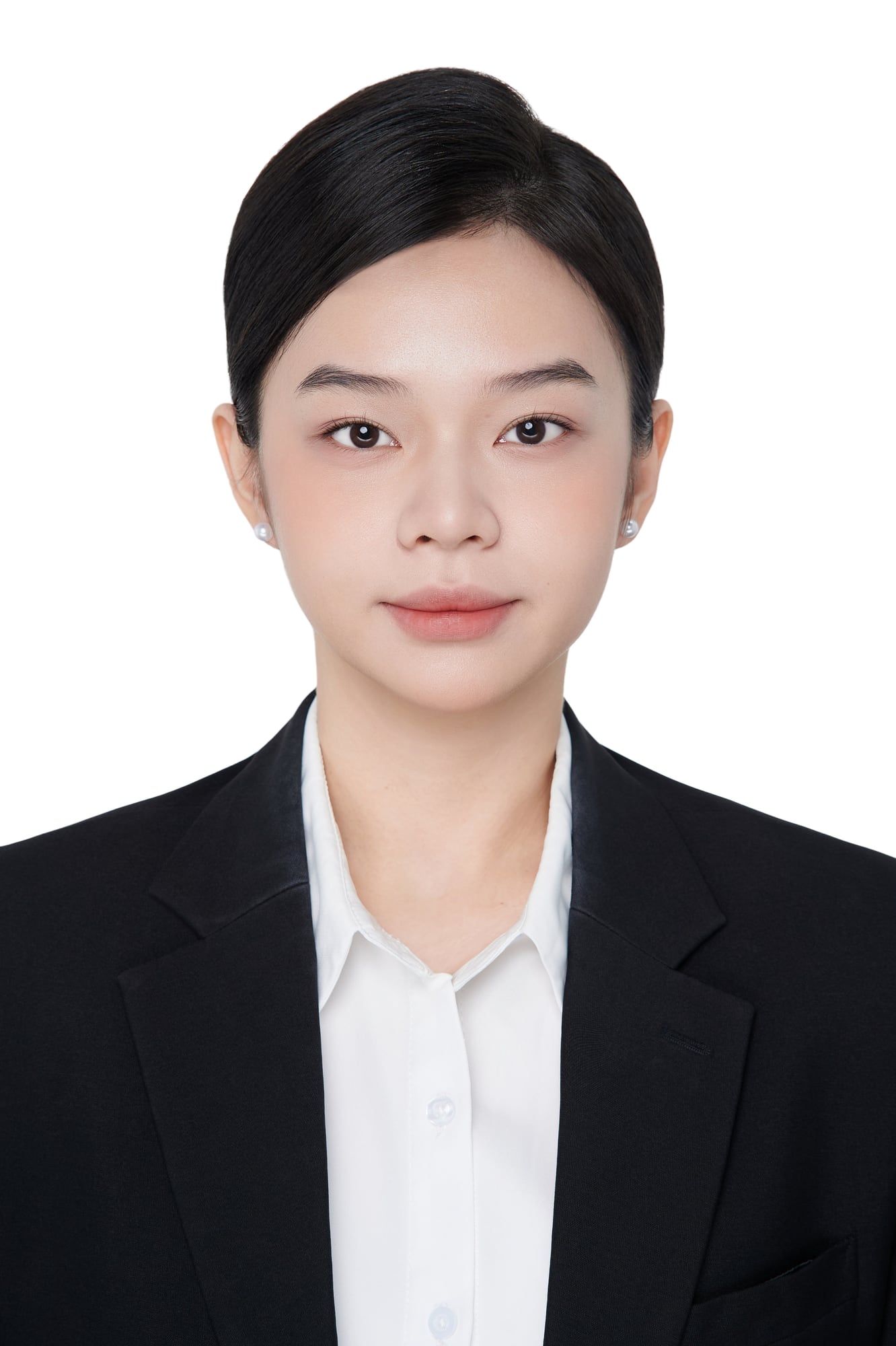
ID photos by area
Passport Photos in Cầu Giấy: The Latest Standard, Shot Right Next to Where You File
Getting a passport is something almost everyone does only a few times in their life, so very few people remember exactly what the photo needs to look like. The most common question when you're in the Cầu Giấy area isn't "is the photo nice", but three very practical ones: do I need to bring a printed photo, what size and background is correct, and if I don't have one, where can I get it taken in time this morning.
This article answers exactly those three questions. The first part covers the photo standard and the mistakes that most often get an application sent back for more documents; the second part covers how to find your way around the Yên Hòa – Cầu Giấy area and the route to the Ảnh Thẻ Gạo Nâu store right in the same ward, so that if you're missing a photo you don't have to cut your paperwork trip short.
One note up front: the detailed requirements for each application can vary by time and by receiving office. What's written in this article is the commonly applied level, meant to help you prepare in advance; before submitting, you should still double-check with the office receiving your application.
Getting a passport in this area — what is the photo actually used for?
This is where a lot of people get confused, and confused in both directions: some bring a whole stack of photos and never use a single one, others bring nothing and end up having to go back home.
The truth is somewhere in between. When you apply for a chip-embedded passport in person, in many cases you'll be photographed right at the counter at the same time your fingerprints are taken. But a properly prepared photo is still needed for the situations below, and this is actually the main reason most customers look for a place to get photos taken:
- Applying online: the system requires you to upload a portrait photo file with the correct background, correct ratio, and sharp enough resolution. Photos taken with a phone and then background-removed with an app very often get rejected at this step.
- Paper application forms with a photo box: some application forms still have a box for pasting a photo, which needs a printed photo of the correct size.
- Passports for children: a child's application usually has its own photo requirements, and young children are very hard to photograph successfully right at the counter.
- Documents that go along with the trip: visa applications, study-abroad applications, work-abroad applications, travel insurance paperwork — each of these needs its own photo size.
- A backup photo: keeping a high-quality original file on hand means that if any office changes its requirements, you only need to re-crop it instead of getting photographed again.
In short: if you're only submitting in person and none of the four situations above apply to you, you may not need a printed photo. But if any step requires uploading a file or pasting a photo onto a form, prepare the photo beforehand — because getting a new photo taken is quick, but a second trip costs you a whole morning or afternoon.
Passport photo standard: a quick-reference table before you go get your photo taken
The table below gathers the items people ask about most. The "easy to get wrong" column is worth reading carefully, because most applications that get sent back for more documents fail on exactly these points.
Item | Commonly applied standard | Easy to get wrong |
|---|---|---|
Printed photo size | 4x6 cm, taken straight-on, showing the full head and part of the shoulders | Cropping into the top of the head, or leaving the face too small in the frame |
Background color | White, even, no pattern | Background turning grey or yellow, or a shadow cast behind the neck |
Gaze direction | Straight-on, head upright, eyes looking directly at the camera | Head tilted slightly, eyes glancing off to the side, chin lifted up |
Eyeglasses | Not worn, even non-prescription glasses | Keeping glasses on because it "looks more like me", then getting glare from the lights |
Head and hats | Bare head, no headwear | Wearing a hat, a large headband, or hairpins that cover the hairline |
Hair and ears | Both ears clearly visible, hair not covering the face | Bangs falling over the eyebrows, loose hair covering the ears |
Expression | Mouth closed, a serious expression, eyes open naturally | Smiling with teeth showing, lips pressed too tightly, eyes half-closed |
Clothing | A collared, presentable top in a color that stands out from the white background | A plain white top blending into the background, or a busy patterned top |
How recent the photo is | A recently taken photo that matches your current appearance | Reusing an old file that's a few years old, after changing hairstyle or weight |
File for online submission | The exact format, file size, and resolution the system is currently requiring | An image that's compressed and blurry, has the wrong aspect ratio, or is a screenshot of another photo |
For that last row in particular, read exactly the instructions shown on screen at the upload step, because file requirements are the thing that gets adjusted most often. If you already have a high-quality original file, re-exporting it to the exact requirement only takes a few minutes.
How is a passport photo different from a national ID (CCCD), visa, or application photo?
Many people bring one photo to use for every kind of paperwork because they figure "it's all 4x6 anyway". In reality, the same size doesn't mean the photos are interchangeable.
Document type | Common size | Common background | Point to note |
|---|---|---|---|
Passport photo (Vietnam) | 4x6 cm | White | No glasses, bare head, both ears visible, serious expression |
National ID (CCCD) photo | 4x6 cm | White or blue | Per the requirements of the issuing office at the time you apply |
Visa photo | Varies by country | Usually white or light-colored | Each country has its own standard, usually with its own additional file requirements |
CV, résumé, and job-application photos | 3x4 cm or 4x6 cm | White or blue | Per the requirements of the receiving organization |
The least effort-intensive approach is to shoot once, keep the original file, then crop it for each individual application. When you book, just tell the studio which documents you're preparing for, so they can export all the needed ratios in the same session. If you want to look into the sizing in more detail, you can read the article how are 3x4 and 4x6 ID photos different, and for the specific passport-photo regulations, see the article passport photos: regulations and sizes.
Six mistakes that get passport photos sent back for a retake
Most cases where an applicant is asked to submit another photo boil down to the same handful of familiar mistakes below.
- A background that isn't pure white, or has a cast shadow. This is the number-one mistake when shooting at home. A white-painted wall still turns grey under low light, and a person's head always casts a shadow on the wall if they stand too close to it.
- A background-removal app that cuts into the hair and the edge of the clothing. It looks fine on a phone screen, but zooming in during review reveals jagged edges around the hair.
- Wearing glasses, or glasses with glare. Non-prescription glasses and lightly tinted glasses should both be taken off for the photo.
- Hair covering the ears, cheekbones, or eyebrows. For an official document photo, the face needs to be more exposed than in your everyday photos.
- An expression that doesn't pass. Smiling with teeth showing, lips clenched tight, eyes half-closed, or looking away from the camera can all get a photo rejected.
- Over-editing. Slimming the face, reshaping the eyes, nose, or mouth, or making the skin look completely unlike the real person all carry risk, since this photo also has to match you when checked against your face in person. Lightly touching up temporary blemishes, uneven skin tone, or wrinkled clothing is fine.
What all six mistakes have in common: they don't show up while you're taking the photo, they show up when you submit it. That's why it's better to get it right from the start rather than fix it piece by piece.
What should you prepare before going to get your photo taken?
Ten minutes of preparation at home usually saves you an entire extra trip.
- Clothing: a collared top, neutral in color and distinct from the white background. Avoid plain white tops, large patterns, and tops with a very wide neckline.
- Hair: neatly combed, tucked back to expose both ears and the forehead. Men should get a haircut a few days ahead so the hair has time to settle. Women with long hair should tie it up or push it behind the shoulders.
- Face: a clean face, light and natural makeup, and oil control so it doesn't shine under the studio lights.
- Documents to bring: your national ID card, your old passport if you have one, and most importantly, a screenshot of the photo instructions from the application you're preparing.
- Four questions to ask the receiving office before you go: how many printed photos are needed, what size, what background color, and whether you also need to upload a file.
If you haven't had a chance to ask those four questions yet, just get your photo taken and keep the high-quality original file. With the original file on hand, any requirement that comes up later can be handled without getting photographed again.
Finding your way around Yên Hòa – Cầu Giấy to get everything done in one trip
If the office that receives your passport application is in the Cầu Giấy area, taking your photo and submitting your application can easily fit into the same trip. It's just a matter of knowing the way.
The easiest landmark to recognize in this area is the Tô Lịch river. Nguyễn Khang street runs alongside the river, and across on the opposite bank is Láng street. From Nguyễn Khang, you can reach the familiar main roads of Cầu Giấy in just a few minutes by motorbike:
- The Cầu Giấy – Xuân Thủy corridor to the north, where many universities are clustered, and also a stretch that often gets congested when classes let out.
- Trần Duy Hưng and Trung Kính further in, leading to the Trung Hòa area and the office towers there.
- Nghĩa Tân market and Cầu Giấy park, two landmarks that almost every local in the area knows, handy for orienting yourself when asking for directions.
- Mỹ Đình bus station in Nam Từ Liêm, useful for anyone coming in from another province to get their passport done in a single day.
A few practical tips for your paperwork trip in this area: go early in the morning since the Cầu Giấy – Xuân Thủy and Trần Duy Hưng stretches get packed during rush hour; check the receiving schedule and exact address in advance of the office where you'll submit your application — don't rely on memory or on an old article you found online; and if you're still missing a photo, take care of that first, since it's the one step you can actively shorten.
The way to Ảnh Thẻ Gạo Nâu Cầu Giấy
Ảnh Thẻ Gạo Nâu — Cầu Giấy Tầng 4, 83 Nguyễn Khang, Phường Yên Hòa, Hà Nội Open 08:00 – 20:00 daily Hotline (+84) 775 243 530 · Zalo Ảnh Thẻ Gạo Nâu
How to find it: follow Nguyễn Khang street — the street running alongside the Tô Lịch river — then look for house number 83. The store is on the 4th floor of the building, so once you reach the right house number, just go up to the 4th floor and you're there.
About parking: the Nguyễn Khang stretch gets fairly busy during the morning commute and the afternoon rush hour. Before you arrive, send a quick Zalo message or call the hotline; staff will point you to the most convenient parking spot for that time of day, and hold a slot for your photo session so you don't have to wait.
Messaging ahead has another benefit: send along a screenshot of the photo instructions from your application, and the studio will have the backdrop and the crop ratios you need ready before you arrive.
Packages, photo turnaround time, and pricing
The package used for passports is the administrative/visa/passport ID photo package — 550.000đ. The time to shoot and receive the photos is about 15–30 minutes, with white and blue backdrops available, and delivery of both printed photos and digital files.
For each order, the studio hands over two versions of the photo: one cropped exactly to the document standard for submitting your application, and one with subtler retouching for your personal use. The retouching always keeps the shape of the face, eyes, nose, and mouth unchanged — since a document photo still has to match you when checked against your face. If a photo turns out the wrong size or the wrong backdrop, the studio reshoots or fixes the file for free.
If you're getting a passport to work or study abroad and need extra photos for a job application, there's the CV/LinkedIn photo package — 900.000đ, kept separate in purpose from document photos. These two types of photos are worth keeping apart because the criteria are almost opposite: a document photo needs to be true-to-life and serious, a CV photo needs presence and approachability.
For full service details, see the page ID, visa, and passport photos. If you're in another part of Hanoi, also see Gạo Nâu's Hanoi branch or book through the contact.
See also
- ID, visa, and passport photos — service, process, and pricing
- Passport photos: regulations and sizes — a detailed article on the passport photo standard
- How are 3x4 and 4x6 ID photos different — a size reference table by document type
- Gạo Nâu's Hanoi branch — address and opening hours
- Book an appointment — hotline, Zalo, and booking form
Frequently asked questions
Do you have to bring a pre-printed photo when applying for a passport?
Not always. When you submit your application in person, in many cases you'll be photographed right at the counter during the procedure. But if you apply online, submit a paper form with a photo box, get a passport for a young child, or need extra accompanying documents, you'll still need a standard photo prepared in advance. The safest approach is to check with your receiving office before you go.
What size is a Vietnamese passport photo, and what background color?
The commonly used size is 4x6 cm, with an even white background, taken straight-on, bare head, both ears clearly visible, no glasses, mouth closed, and a serious expression. File requirements for online submission can vary from time to time, so read the exact instructions shown on screen when you upload the photo.
Can a passport photo be used for a national ID (CCCD) or visa photo as well?
You shouldn't assume they're interchangeable. Many document types share the 4x6 size but differ in background color, facial proportions, file requirements, and how recent the photo needs to be; visa photos also vary by country. It's better to keep a high-quality original file and re-crop it for each application, rather than printing one size to use for everything.
How long does it take and how much does it cost to get a passport photo taken in Cầu Giấy?
At Ảnh Thẻ Gạo Nâu Cầu Giấy, the administrative/visa/passport ID photo package is 550.000đ, with a shoot-and-delivery time of about 15–30 minutes, white and blue backdrops available, and both printed photos and digital files included. If you need extra photos for a job application, there's a CV/LinkedIn photo package at 900.000đ, kept separate in purpose from document photos.
How should a child's photo be taken for a passport application?
A child still needs their own photo, with a clear face, eyes open, looking toward the camera, a clean white background, and no adults or objects blocking the frame. For young children who have trouble sitting still, the studio will help frame the shot and clean up the background. For how many photos are needed and how to submit them for a child's application, check with the receiving office.